A Practical Guide to Choosing Organic Mattresses: Materials, Certifications, and Comfort
A reader-friendly, evidence-based tour of materials, certifications, and how to translate label claims into a non-toxic, sleep-happy mattress choice.
Introduction
In a world flooded with mattress claims, an organic option stands out not just for its promise of fewer chemicals, but for how those choices align with your sleep health. This guide demystifies what "organic" really means in the mattress context, breaks down common materials like latex, wool, cotton, and the importance of third-party certifications, and translates those details into practical steps you can take at the point of purchase. Whether you’re shopping for yourself, a partner, or a caregiver helping ensure better rest, understanding materials, emissions, and comfort trade-offs empowers you to choose with confidence.
What makes a mattress “organic”?
The term organic on a mattress typically signals a commitment to natural or organic materials, reduced chemical exposure, and responsible manufacturing practices. However, it is not a blanket standard by itself. You should look for credible third-party certifications that verify fiber content, processing methods, and environmental impact. Organic claims often pertain to the cover fabrics, padding, and core materials, and they may accompany certifications that address different parts of the supply chain.
Key questions to guide your assessment include:
- Which components are certified organic (cover, padding, core materials, or all of the above)?
- What certifications are present, and what do they cover?
- Are the certifications independently verified and publicly auditable?
- Do the materials align with your personal health needs, such as hypoallergenic properties or temperature regulation?
Materials spotlight: latex, wool, cotton, and the role of springs
A modern organic mattress often blends several materials to achieve a balance of support, pressure relief, breathability, and durability. Here is a practical overview of common materials and how they influence comfort and health considerations.
Latex: Talalay vs. Dunlop
Latex is a natural material derived from rubber trees and is prized for its buoyant, contouring support. There are two mainstream processing methods:
- Talalay latex tends to be softer at the surface with more consistent cell structure, offering a more plush feel.
- Dunlop latex generally provides a denser, more supportive core with excellent contours and durability.
Both types can be certified organic if the latex and surrounding fabrics meet organic standards and third-party certification criteria. The choice between Talalay and Dunlop often comes down to personal preferences for pressure relief, temperature, and overall feel.
Wool and cotton covers: temperature regulation and moisture management
Natural fibers like wool and cotton are frequently used in organic mattress covers or padding. Wool has inherent moisture-wicking properties and temperature regulation, helping to keep the sleeper comfortable across seasons. Cotton provides a breathable and durable surface. When these fibers are certified, you gain assurance about processing and chemical use along the supply chain.
Natural fibers and springs: how cores influence support
A few organic builds combine natural cores with spring systems. In such configurations, springs deliver zoned support and long-term durability, while the natural layers around the core enhance comfort and air movement. Look for certifications that cover both the coil system and surrounding padding, as this can affect overall sleep health, including spinal alignment and motion isolation.
Certifications and a practical buying checklist
Certifications serve as the trusted bridge between marketing claims and real-world product standards. They provide independent verification of material content, processing methods, and environmental impact. Two widely recognized families of standards you might encounter include:
- GOTS (Global Organic Textile Standard): focuses on organic fiber content, eco-friendly processing, and social responsibility for textile components. It is a strong signal when a mattress cover or pad uses GOTS-certified fabrics.
- GOLS (Global Organic Latex Standard): addresses organic latex content, ensuring that latex used in the mattress core meets organic criteria and is produced under defined conditions.
In addition to GOTS and GOLS, you may see emissions-related or performance-based certifications that verify indoor air quality and chemical safety. A practical buying checklist can help you stay organized during the shopping journey:
- Identify which components of the mattress are organic or certified organic (cover, padding, core).
- Confirm the specific certifications present (GOTS, GOLS, and any third-party emissions testing).
- Ask about the sourcing and processing of materials (where are they produced, and under what standards?).
- Request documentation or access to certificates and audit reports when possible.
- Evaluate the comfort profile in relation to your sleep position and temperature preferences.
- Assess the care requirements and expected lifespan of the mattress and its natural components.
Comfort, support, and sleep positions: translating science into feel
A mattress must align with your sleep posture and personal comfort preferences. Organic builds do not come with a single universal feel; they offer a spectrum defined by material choices, core design, and construction quality. Here are practical guidelines to map materials to sleep needs:
- Stomach sleepers often prefer a firmer surface to prevent excessive anterior compression, but organic materials can provide this through a well-designed latex core with a supportive Dunlop profile.
- Side sleepers typically seek pressure relief across shoulders and hips; a Talalay latex layer or a wool-infused padding can offer contouring comfort while maintaining breathability.
- Back sleepers benefit from balanced support and spinal alignment; a mid-range latex layer with a robust core can deliver even support along the torso.
- Allergies or sensitivities: look for hypoallergenic certifications and natural fiber covers free from harsh chemicals.
Comfort is personal, and even organic options require a short break-in period. Some sleepers report minor adjustments as the materials settle; this is a normal phase for many natural-based mattresses.
A practical buying plan: step-by-step
- Define your organic criteria: decide which components you want certified (cover, padding, core) and which certifications matter most to you.
- Set a realistic budget that reflects your comfort requirements and the expected lifespan of the mattress.
- Gather a shortlist of brands and models with transparent certification information and credible third-party validation.
- Test sleep experiences: spend time lying on similar structures in-store or at home trials, focusing on alignment, firmness, and temperature control.
- Review care needs and warranty terms, especially for natural components that may require specific cleaning or rotation practices.
- Request copies of certification documents and ask retailers to explain any claims that are unclear or incomplete.
A note on a credible shopping experience
A credible shopping experience emphasizes clarity and accountability. Reputable retailers will happily share product spec sheets, third-party test results, and certificates. When you encounter opaque claims or missing documentation, treat them as red flags and ask for detailed explanations. A well-documented product with transparent sourcing is the foundation of a sleep investment you can trust for years to come.
Case study: what to look for in a high-quality organic topper
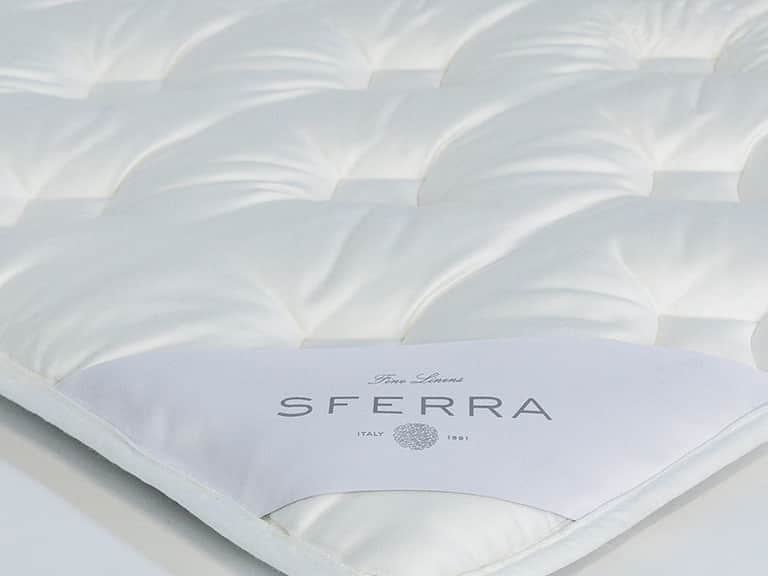
To illustrate how organic principles translate to real products, consider a high-end mattress topper that uses a layered natural latex core, a wool blend wrap, and a GOTS-certified organic cotton cover. The core provides supported contouring, while the wool helps regulate temperature and wick moisture. A GOTS-certified cover ensures the outer fabric aligns with organic standards, reducing potential chemical exposure on contact with the skin. A product like this might also be accompanied by GOLS certification for the latex content, reinforcing the organic integrity of the core material.
What about accessories and add-ons?
While this guide focuses on organic mattresses, you can extend the organic philosophy to toppers, sheets, and pillows. Some products in the bedding category emphasize organic materials, including certified organic cotton sheets, wool-filled toppers, or latex-based toppers. When evaluating these accessories, look for matching certifications (GOTS for fabrics, GOLS for latex components, and independent emissions testing for overall indoor air quality).
Conclusion: making an informed, sleep-promoting choice
Choosing an organic mattress is an investment in your sleep health and daily well-being. By understanding materials, recognizing credible certifications, and following a structured buying plan, you can move beyond marketing language to a product that aligns with your health priorities and comfort needs. Organic does not mean one-size-fits-all; it means committing to materials and processes that prioritize natural content, transparency, and responsible manufacturing. The result is a sleep environment that supports restorative rest, reduces potential chemical exposure, and adapts to your evolving comfort landscape over time.
Notes on accessibility and inclusivity
This guide is written to be accessible to a broad audience, including readers who are new to the topic of organic sleep products and those who are revisiting their bedding standards. If you have questions about terminology or certifications, you can cross-reference official certification bodies and consumer-friendly explainers to deepen your understanding without getting overwhelmed.
Related resources and glossary
For readers who want to dive deeper, a glossary of sleep terms and a resource roundup of credible sleep science organizations can be helpful. This article aims to translate technical jargon into actionable guidance, so you can shop with confidence and rest more soundly.
Product spotlight (ethical and organic-minded topper)
Among readily available options that align with the organic philosophy, one product category to consider is toppers that blend natural fibers with a supportive core. A recent example that fits this approach is a high-end topper that combines latex with wool and an organic cotton cover, designed to be transparent about material sources and certifications. For readers exploring organic options, such toppers can complement ongoing sleep routines and contribute to a more consistent sleep environment when paired with an appropriate foundation.
Note: The following product listings are provided for reference within this site and link to their official product pages. If you are seeking a particular feature (e.g., GOTS-certified fabrics, GOLS-certified latex), verify the current certification status with the retailer or manufacturer at the time of purchase.
- Sonno Notte Comfort Mattress Topper — crafted with layered natural materials and a silk blend ticking, designed for breathable, structured support. Link: Sonno Notte Comfort Mattress Topper
- Vispring Heaven Luxury Supreme Mattress Topper — blends premium wool and horsetail with temperature regulation and durability. Link: Vispring Heaven Luxury Supreme Mattress Topper